Mach-24 Launch

Based at a future spaceport, Mach-24 includes skills workshops supported by national space companies. The rocket-based event sees undergraduate students design, build and launch a rocket and CanSat – a simulation of a real satellite integrated within the volume and shape of a can.
Students who successfully participate in the event improve their teamworking skills, practical and mechanical engineering skills, taking part in rocket launches and gaining an insight into careers in the UK Space Sector.
Mach-24
From the 10th-14th of July, Peryton Space attended the competition.
Rocket
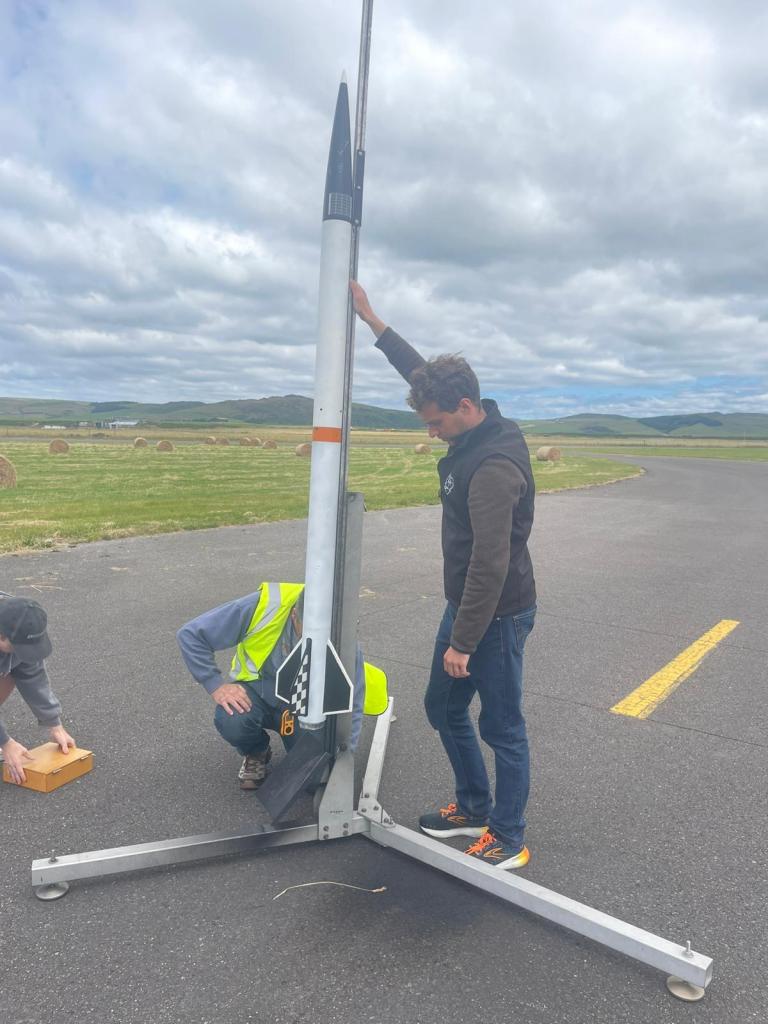
The team participated in the combined 1.5 & 3km category, with the high-power rocket they have been developing over 2023/2024 academic year to reach an altitude of 3km.
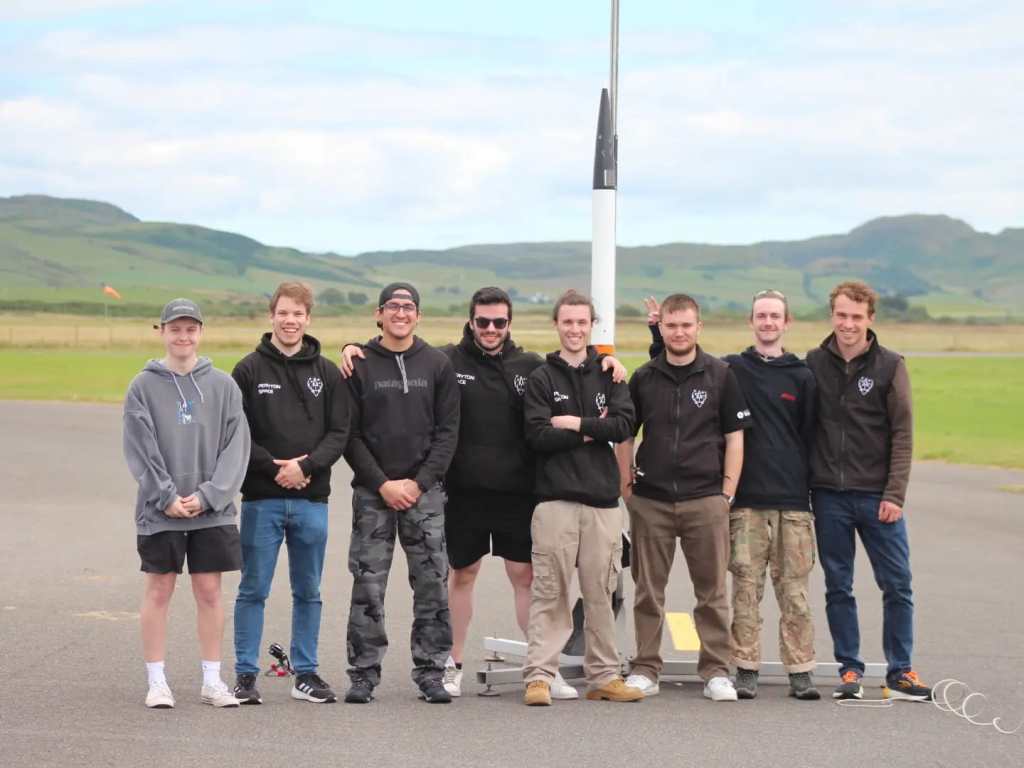
The team learned and employed composite manufacturing for the first time with the flax-based fins with integrated solar cells on the nosecone. This is a great achievement for a team with many new members taking on very ambitious new techniques and an entire test rocket (another team first).
Cansat

This is a great achievement for a team with many new members taking on very ambitious new techniques and an entire test rocket (another team first).
Additional Media
Mach-23
The Mach 23 Rocket Competition was judged on a variety of factors, including the rocket’s apogee, the CanSat’s payload, and the team’s overall presentation.
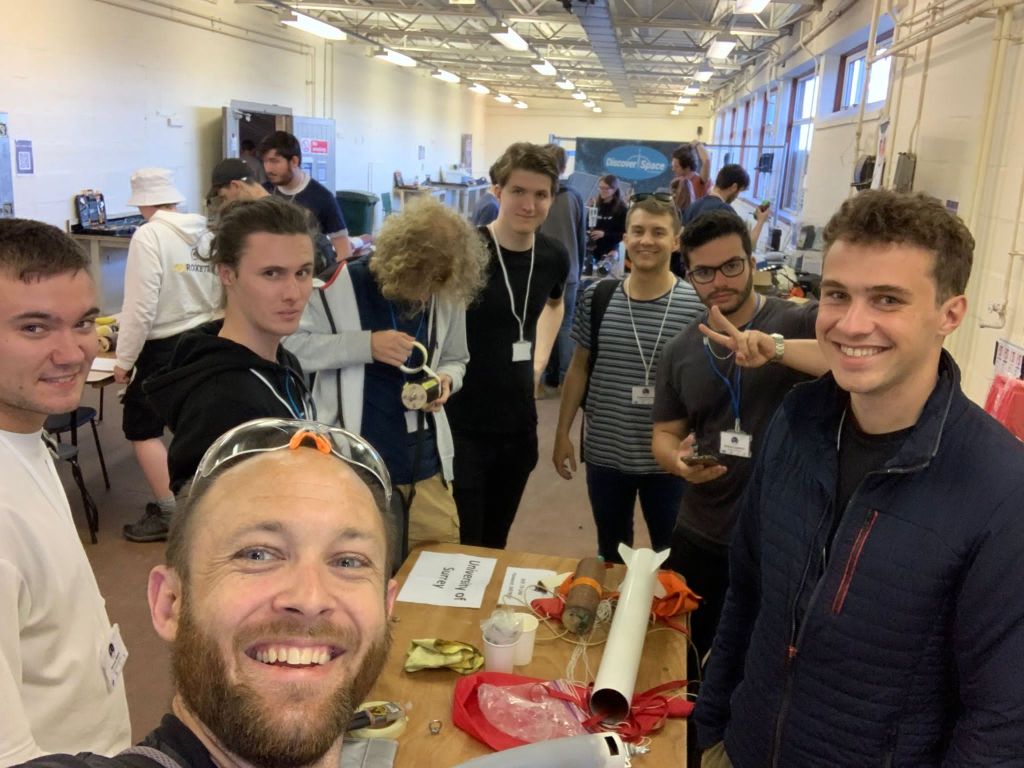
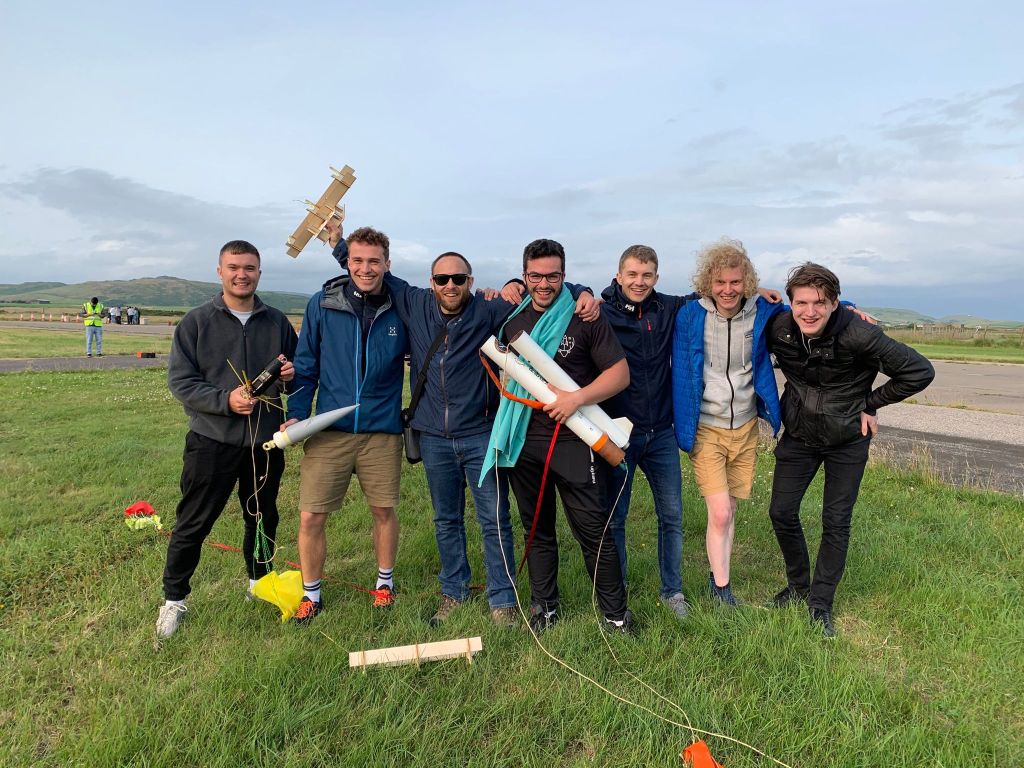
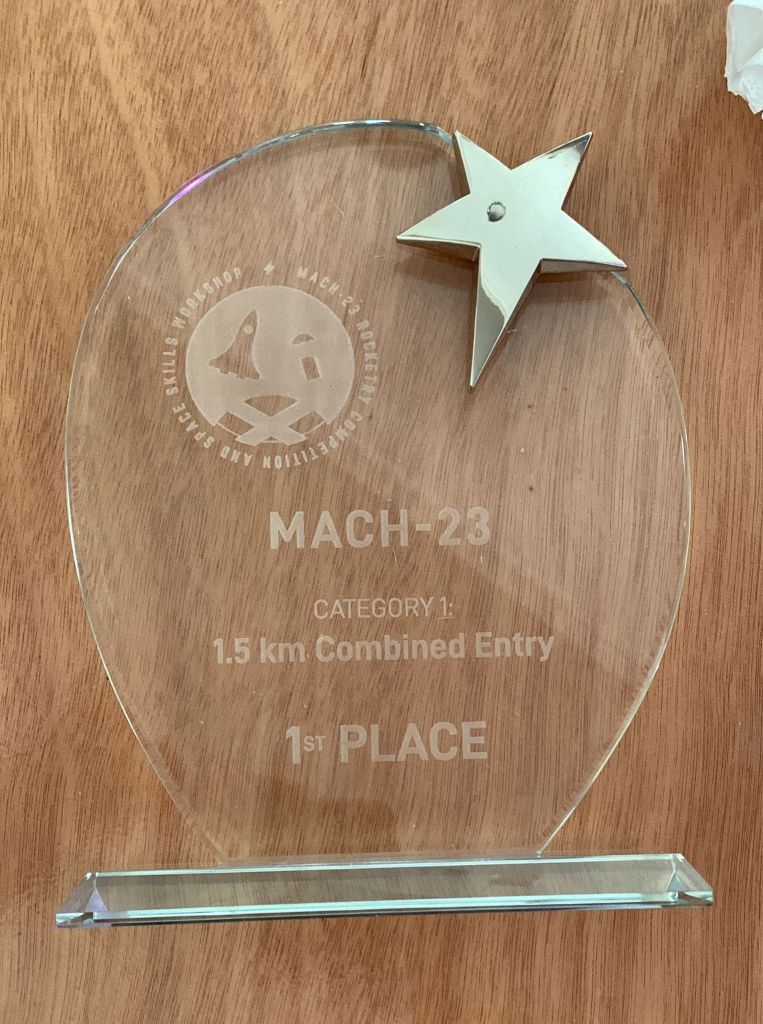
Peryton Space competed in the Mach 23 1.5 km category in 2023. The team aimed aiming to design, build, and launch a rocket that reaches an apogee as close to 1.5 km as possible and deploys a CanSat with a sustainability-themed payload.
The Mach 23 Rocket Competition was a prestigious event for university students in the UK to design, build, and launch rockets. The competition is held annually at Machrihanish Airbase in Scotland.
The Mach 23 Rocket Competition has two categories:
- Category 1: Rockets that reach an apogee of at least 1.5 km and deploy a CanSat.
- Category 2: Rockets that reach an apogee of at least 3 km.
Rocket
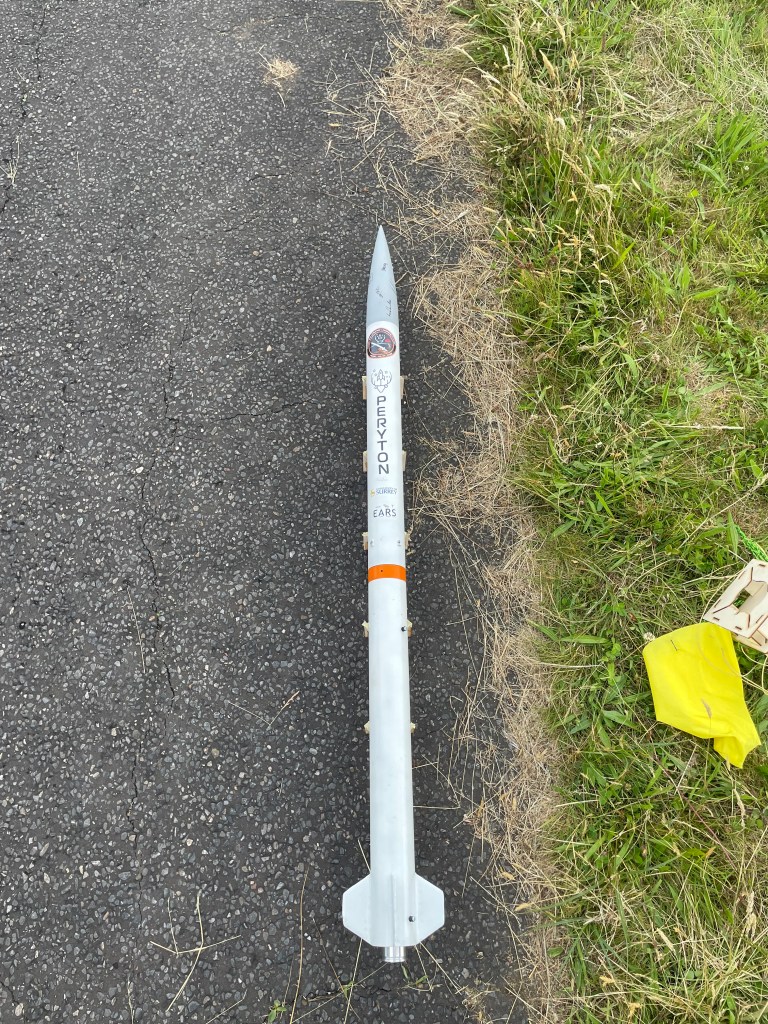
Launch vehicle to achieve an apogee of close to 1500 m and demonstrate the concept of space based solar power transmission with our onboard solar panels.
CanSat
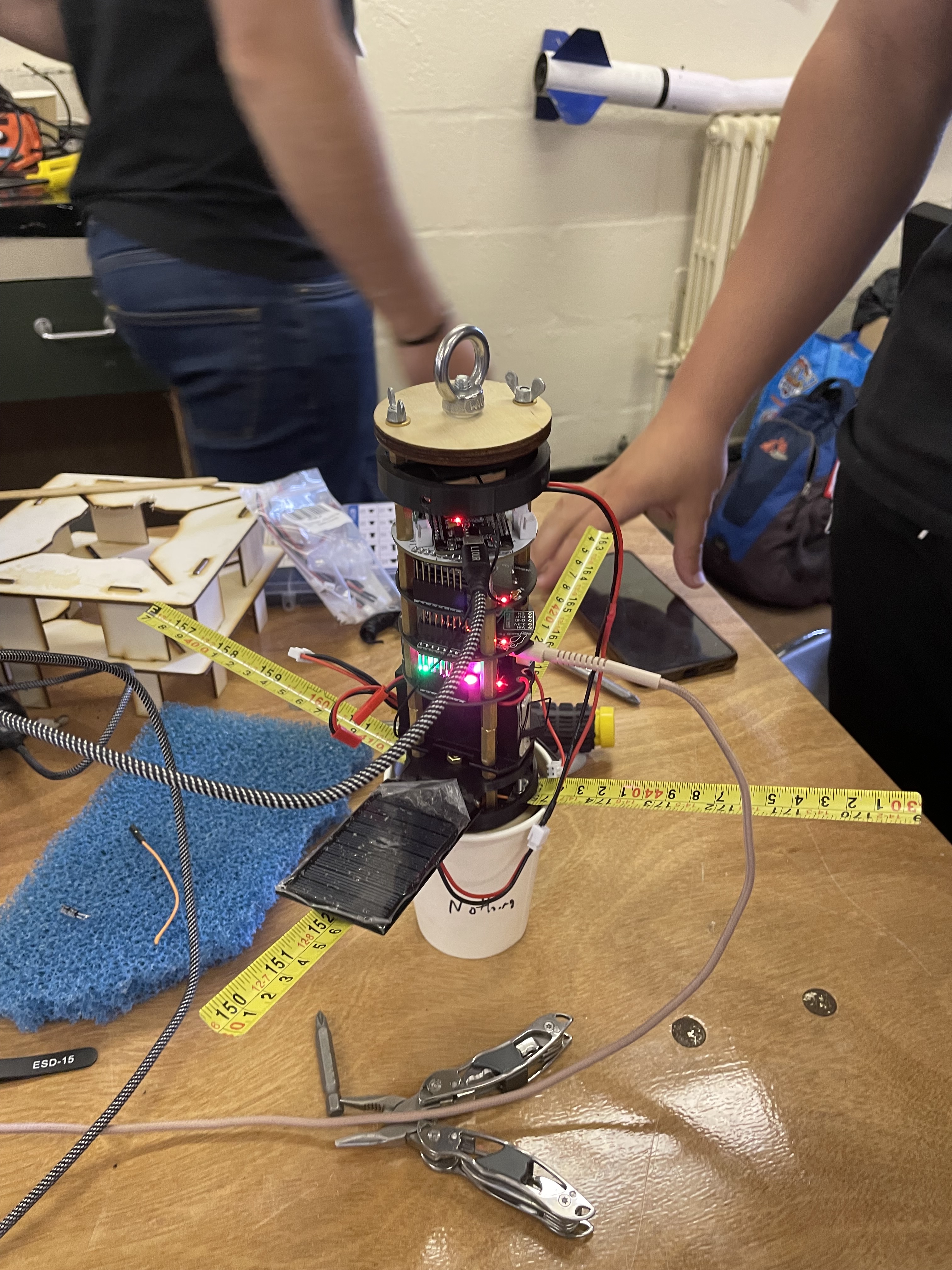
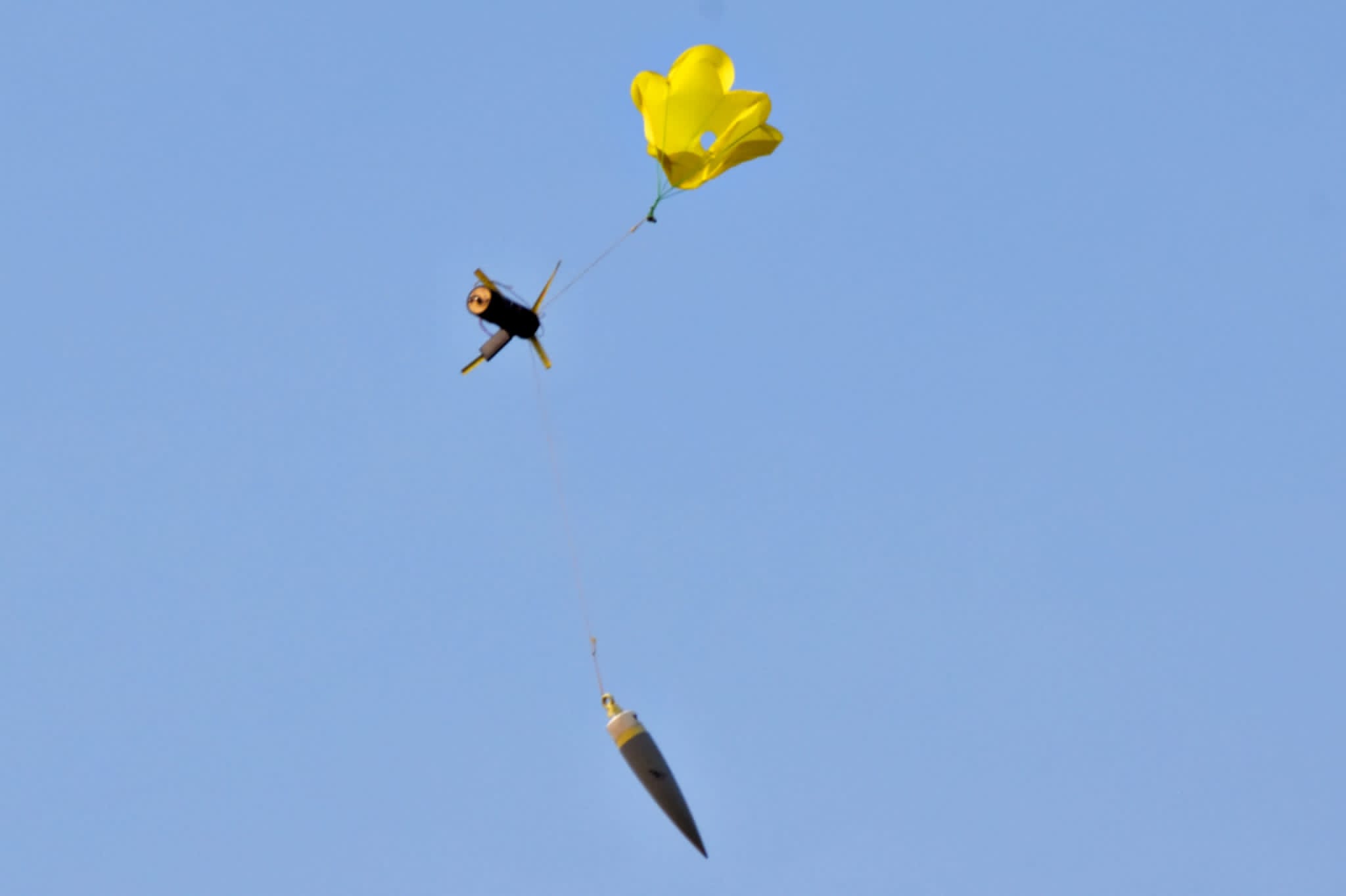

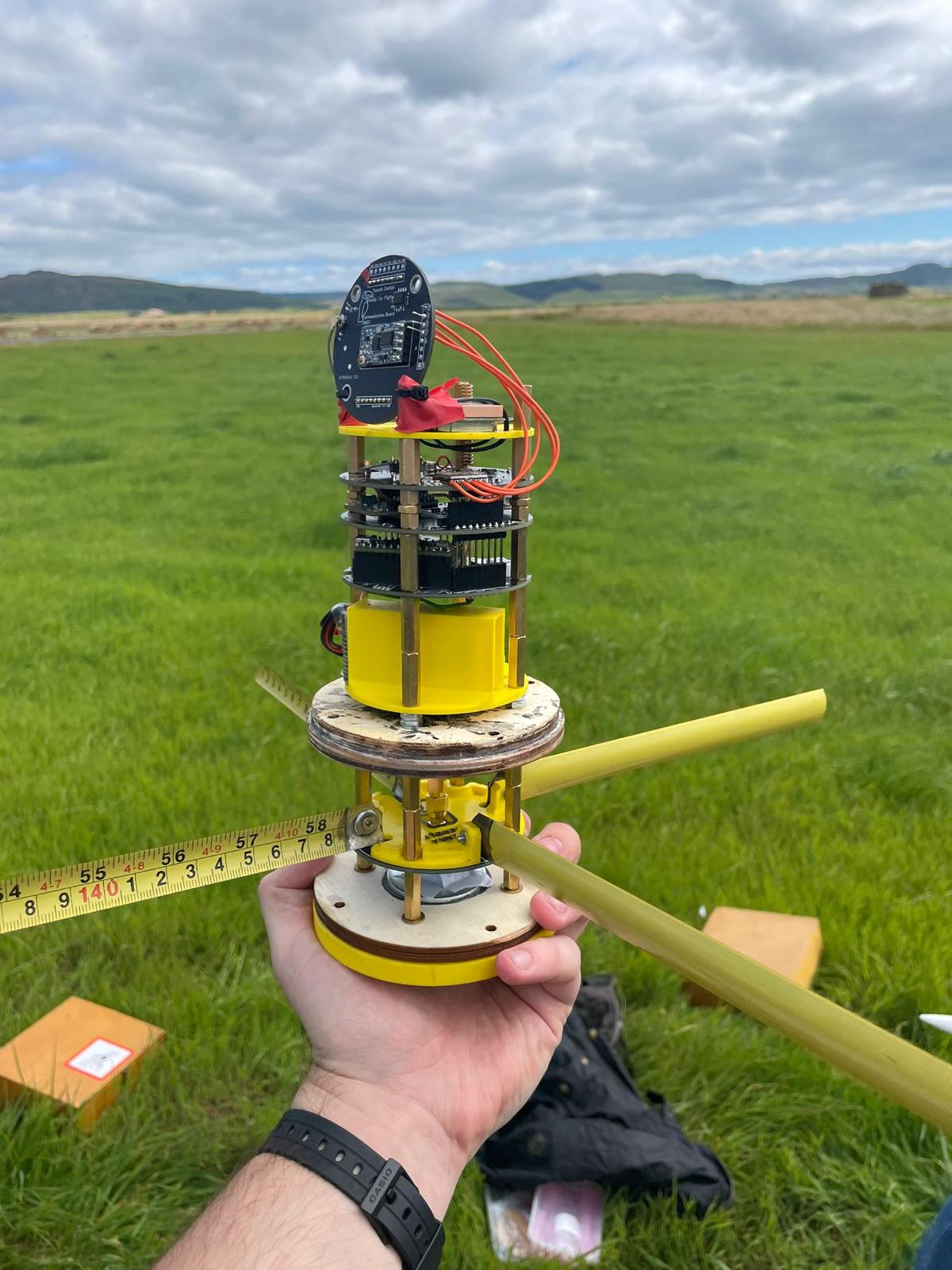
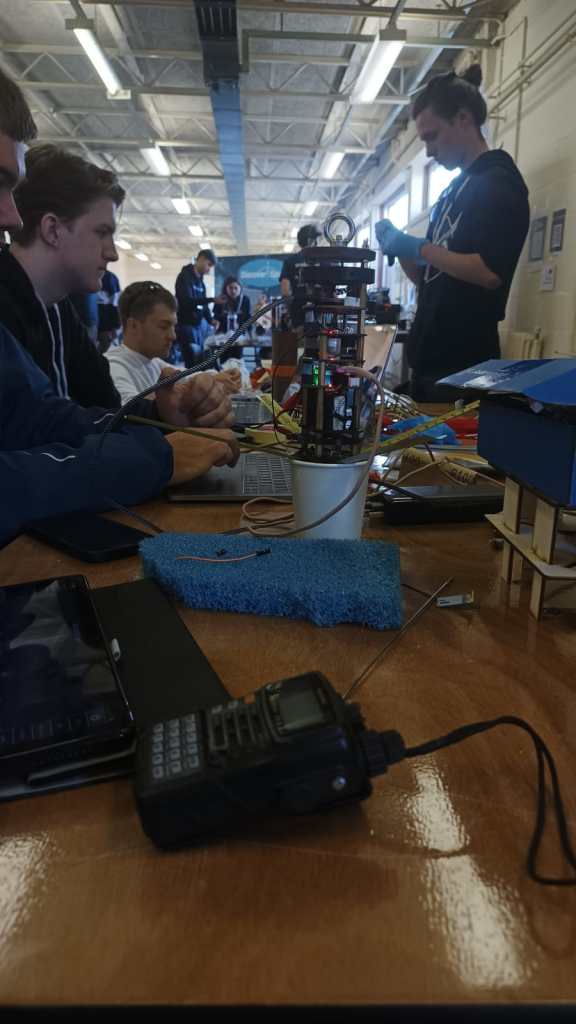
The mission of our CanSat was to collect flight data and simulate harnessing energy from space by using a solar powered radio circuit to transmit live telemetry to our ground station.
The CanSat is a satellite which has to fit within the dimensions of a drinks can.
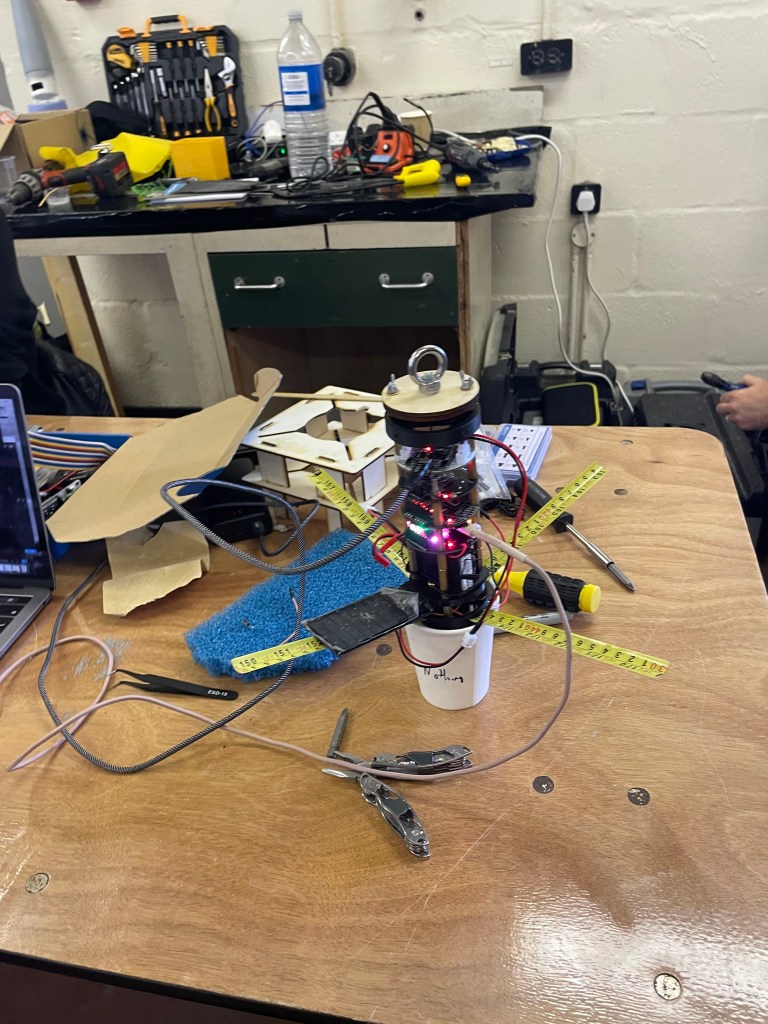
Onboard were pressure sensors and temperature sensors, to calculate its altitude, an IMU and GPS to track its location, which was transmitted from our onboard radio. The tape measures were functional deployable antennas used for the radio.
Technical Specifications of the CanSat
The CanSat had two onboard computers. A powerful Teensy 4.0 to handle the sensor data and storage and an ESP 32 receives this data and transmits from our onboard radio.
We used two pressure sensors for redundancy with 4 LM75 temperature sensors on each PCB layer to accurately calculate the altitude of the CanSat. This method is more accurate than GPS altitude data.
Also included was a MPU 6500 IMU which was used to measure the acceleration and track the orientation of the CanSat throughout the flight.
A Neo-6M GPS module was used to provide the location of our CanSat and to be transmitted to our ground station for inflight updates and to be used to track the CanSat once landed.
The ESP 32 was powered by a LiPo charging circuit powered by a solar panel attached to the side of the CanSat in line with the sustainable approach to our mission.
Additional Information
- The Mach 23 Rocket Competition was organized by Discover Space UK, Exotopic Ltd, Machrihanish Airbase Community Company, and UKSEDS.
- The competition as sponsored by a number of companies, including Skyrora, the UK Space Agency, and the Royal Air Force.
- The Mach 23 Rocket Competition was a great opportunity for students to gain hands-on experience in rocketry and engineering.
- The competition also provides students with the opportunity to network with other students and professionals in the aerospace industry.
Additional Media
 Peryton Space